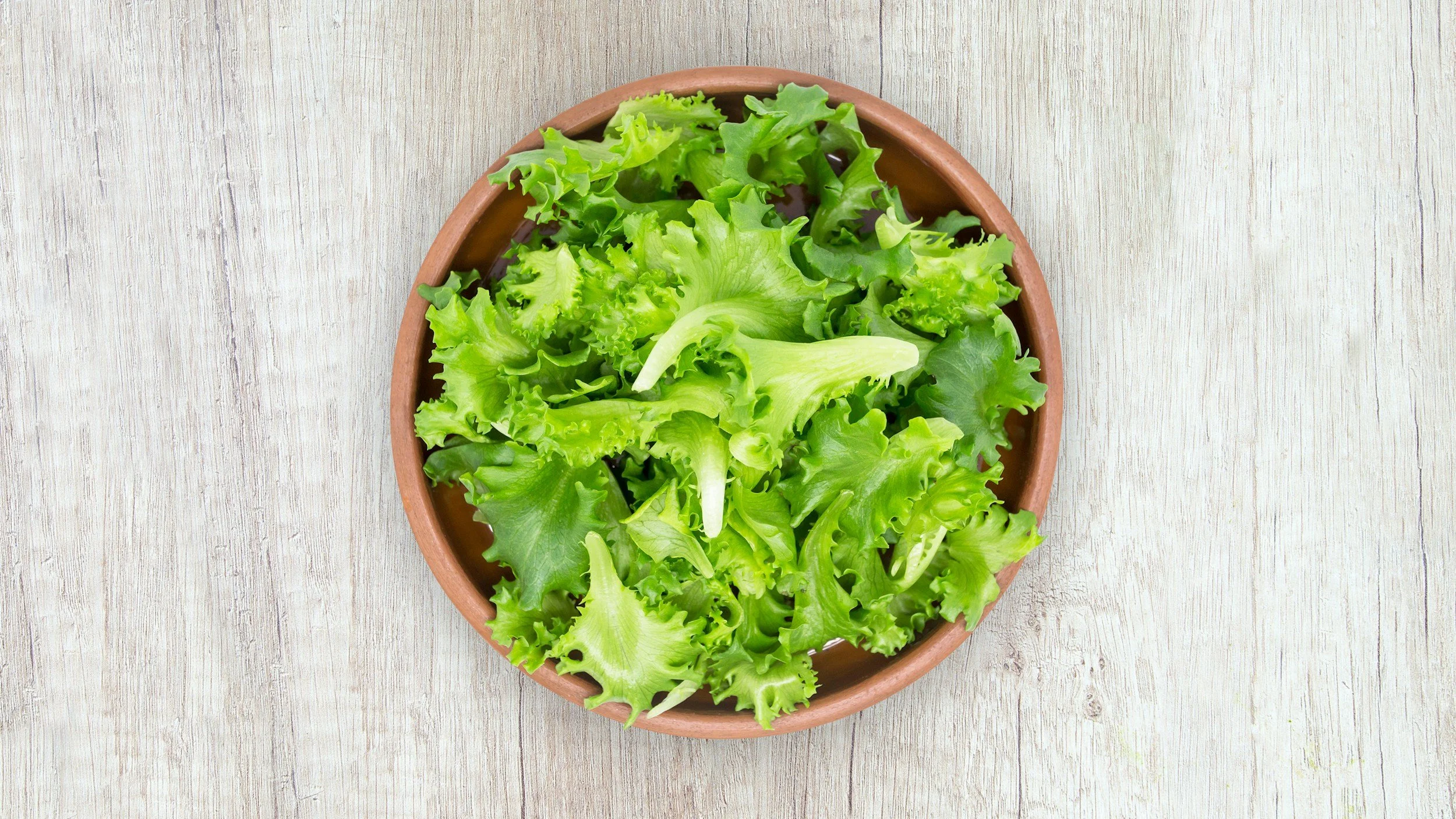
Bowl of lettuce (image from Unsplash and used with permission)
Love gardening? I have great news for you! Just because summer is almost over, it doesn’t mean gardening is over. If you love gardening as much as I do, it’s time to prepare for your fall garden. Three very important things to do before you begin:
Find your growing zone
Create your companion planting guide
The number of days before the first frost
Before planting a garden, consider the zone where the garden will grow, the number of days to the first frost and the types of plants that will grow well in your zone and within the time before the first frost. Most plants do not tolerate frost.
We are planting our garden in USA zone 7.
Next we will look for plants that grow well in cool weather, as well as grow well together. In other words, we are looking for plant companions.
Companion planting means growing certain flowers, herbs, and vegetables close together because they help each other grow. These plants are called, “Garden Buddies”. It is like having good friends in your garden!
The third important step is to google the expected first day of frost. Count the number of days from today till the day of the first frost. This is the days your plants will have to grow. Select plants that will grow to maturity within this number of days .
Some cool weather plants that will thrive in zone 7 include:
1. Lettuce
2. Spinach
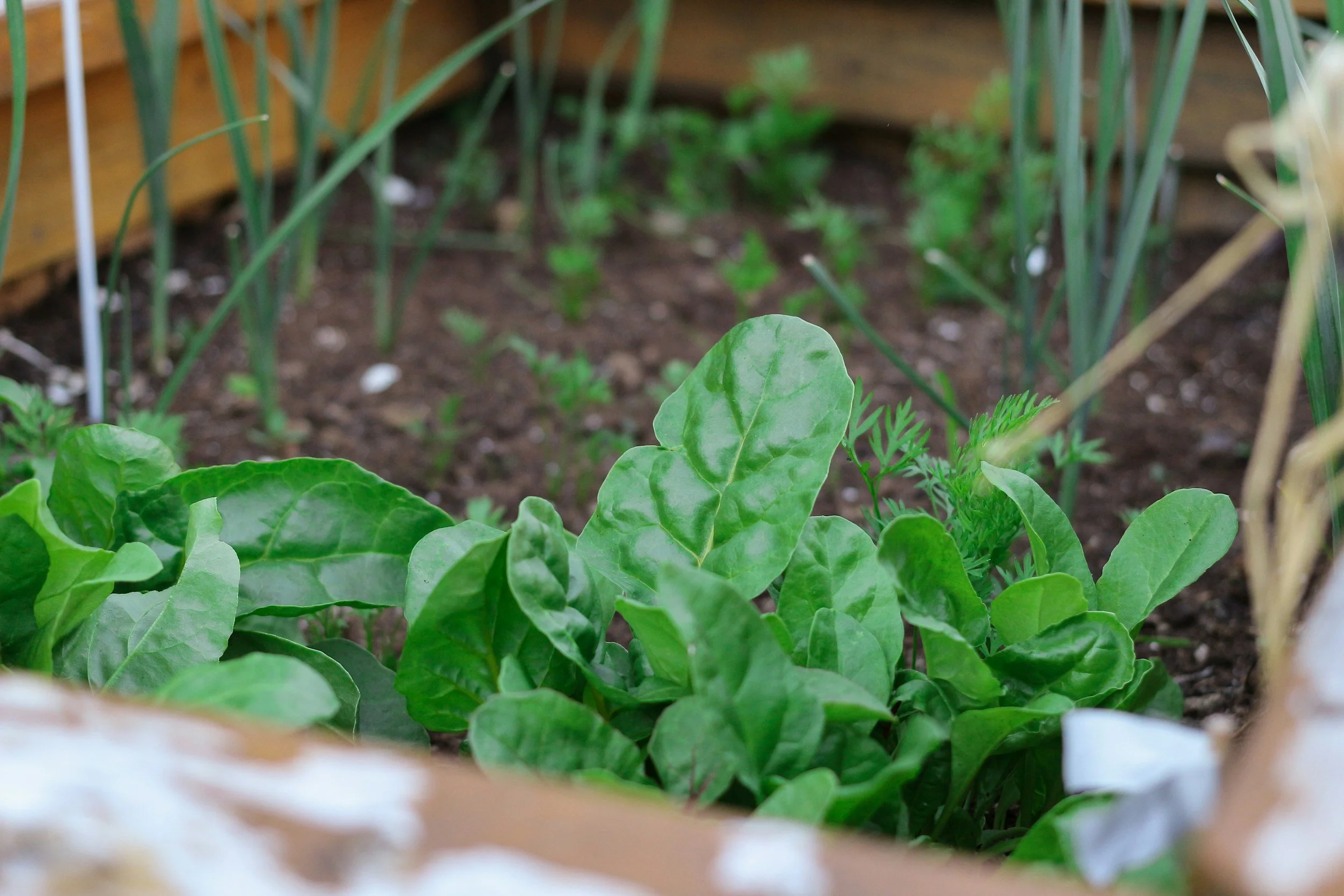
Spinach growing in front of raised bed. (Image from Unsplash and used with permission)
3. Kale
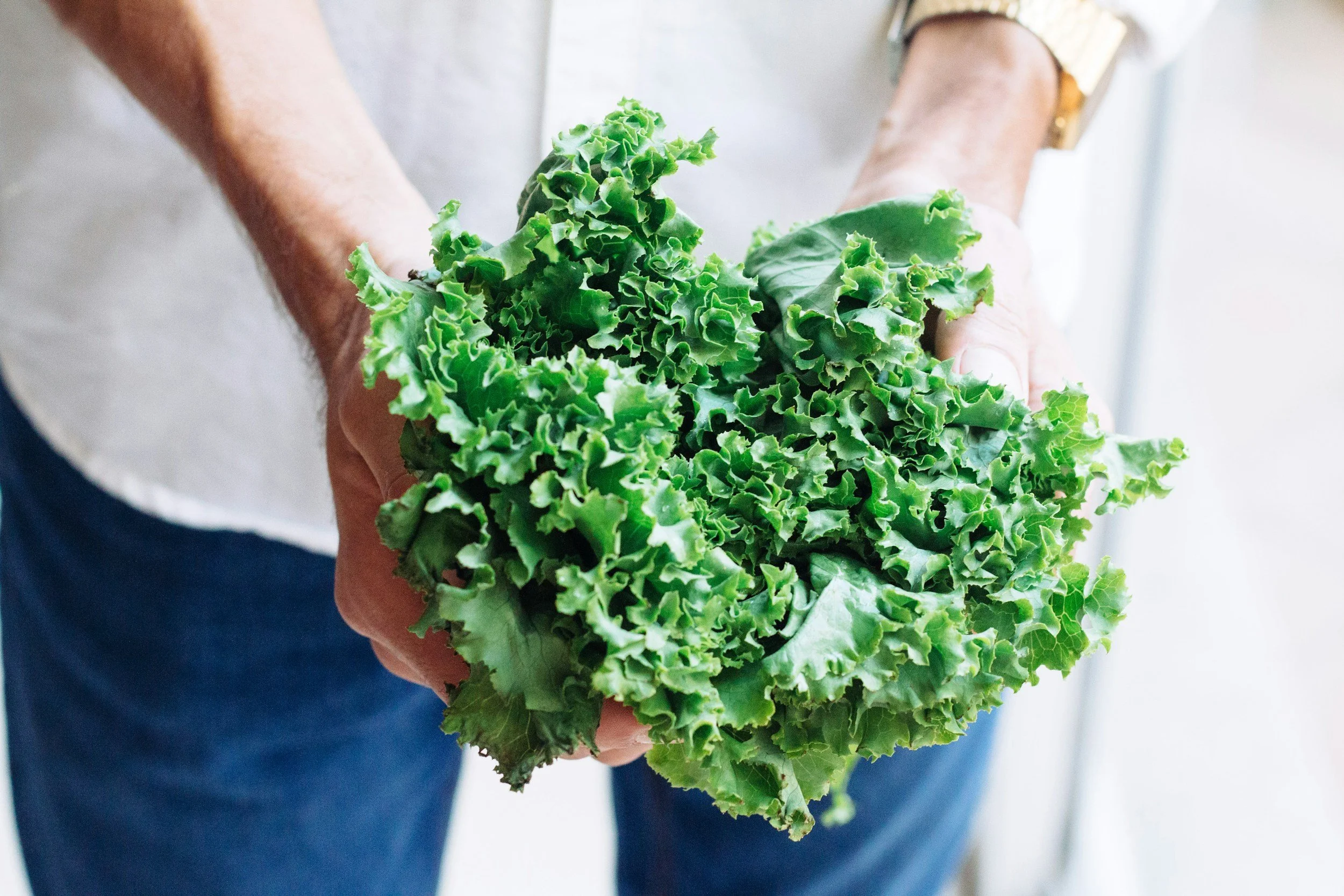
Person holding a Kale with both hands (Image from Unsplash and used with permission)
4. Carrots
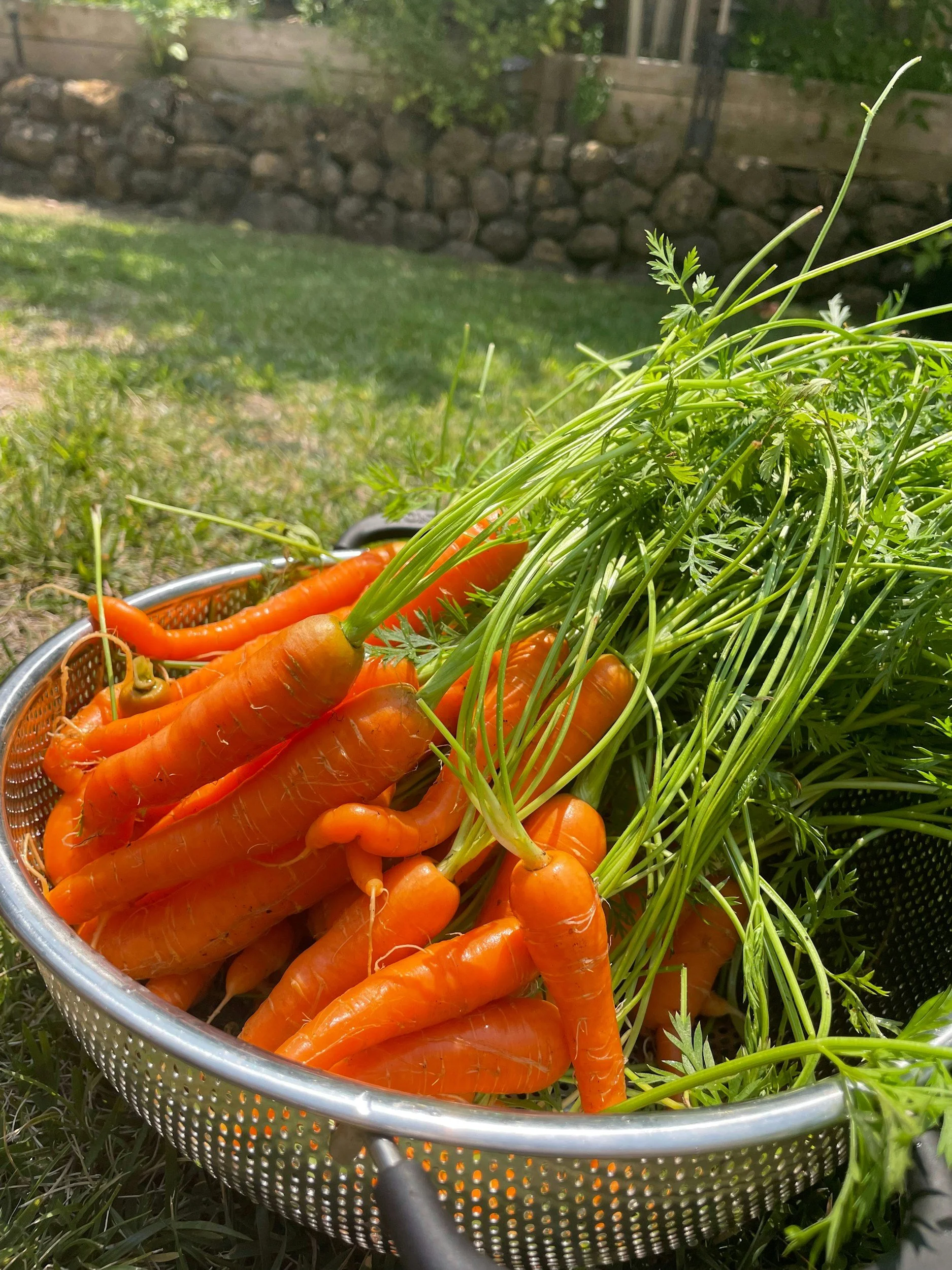
Orange carrots (Image from Unsplash and used with permission)
5. Radishes
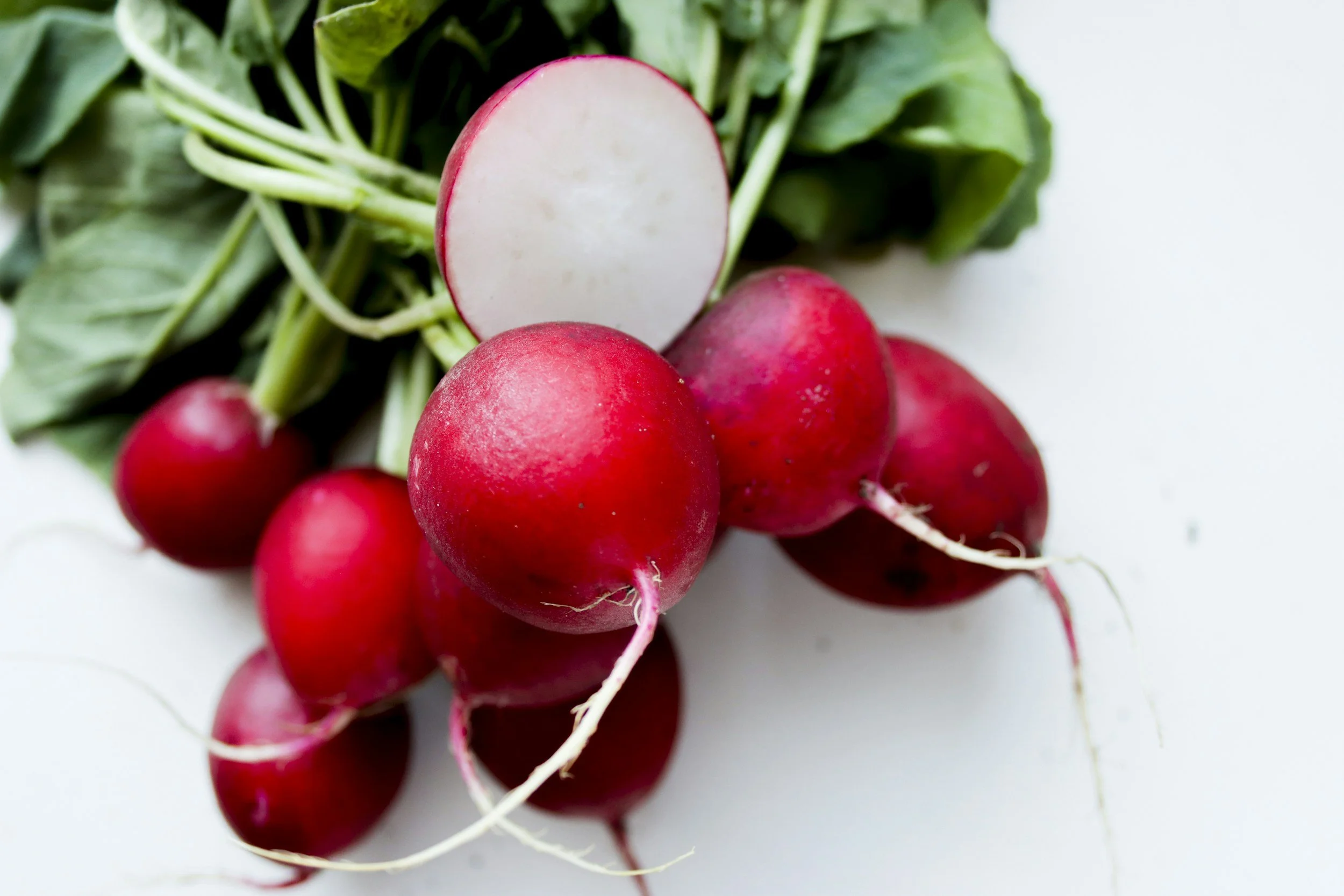
Red radish (Image from Unsplash and used with permission)
6. Beets
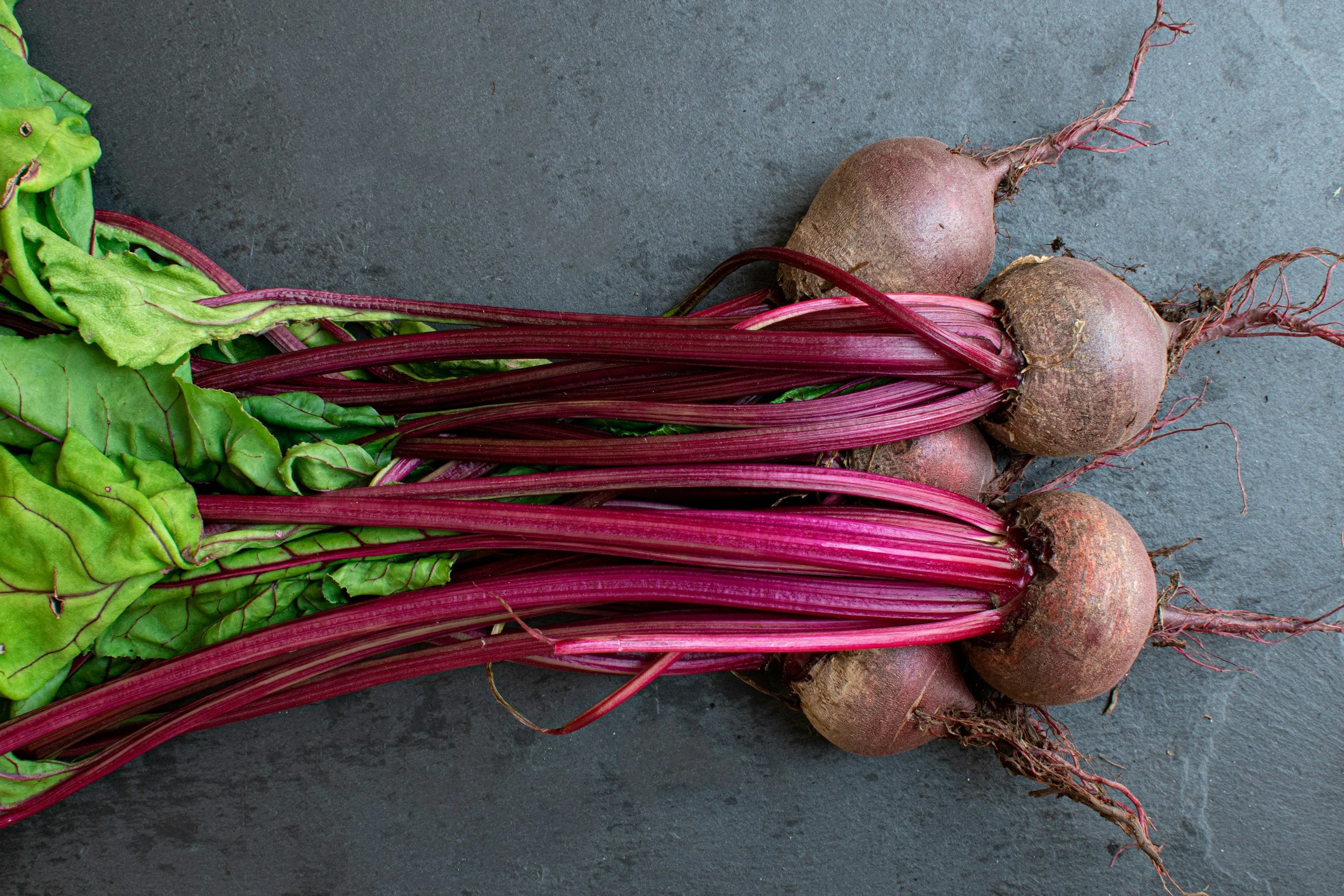
Beets (Image from Unsplash and used with permission)
Pair these vegetables with fall-blooming flowers like
calendula

Calendula Officinalis (Image from unsplash and used with permission)
Sweet alyssum

Sweet Alysuum (Image from unsplash and used with permission)
Nasturtiums
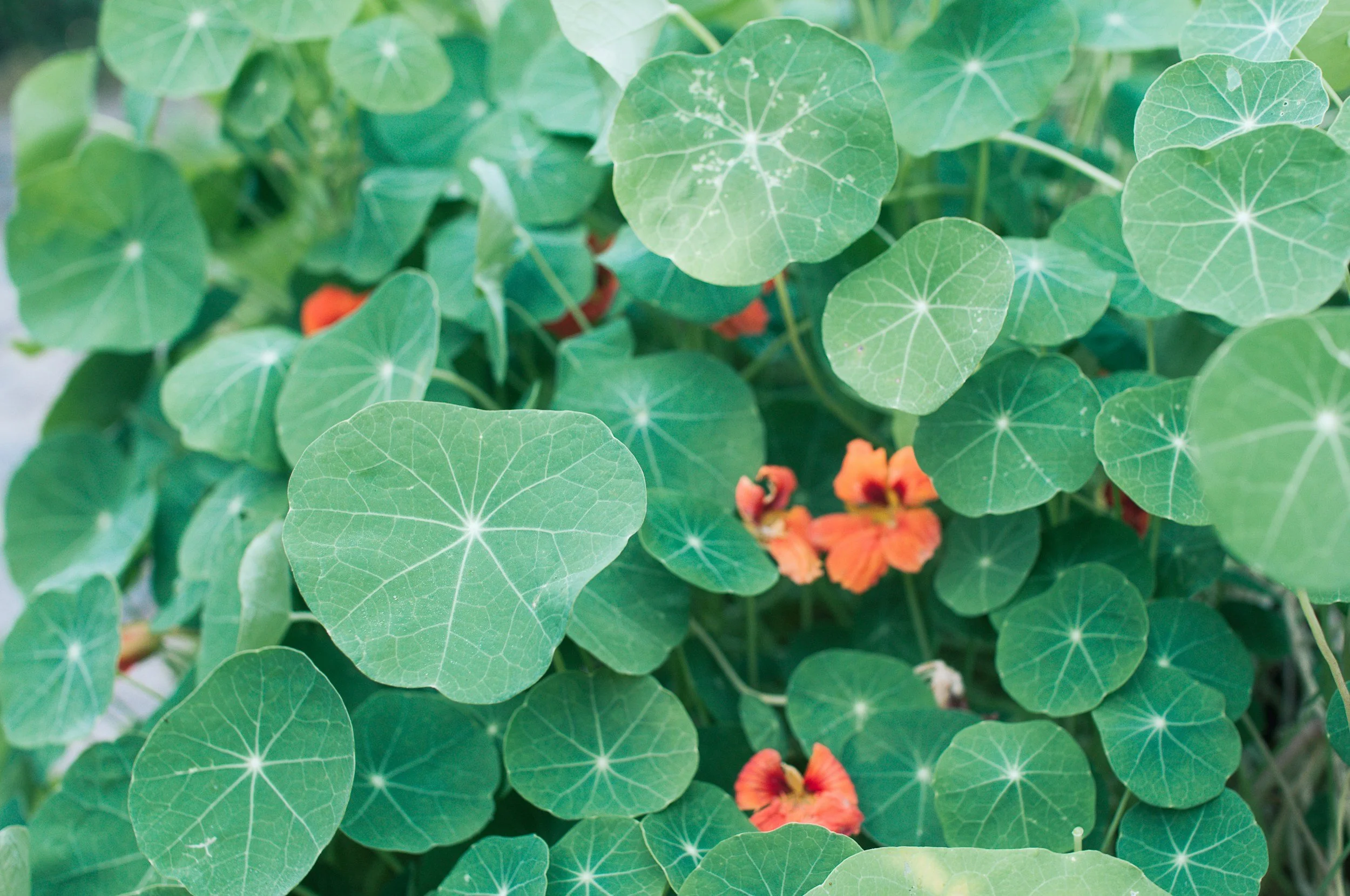
Nasturtiums (Image from unsplash and used with permission)
Flowers can attract helpful insects to your garden. Companion planting is often used to attract beneficial insects, help manage pests naturally, and support healthy plant growth. Learn more about companion planting and get a free chart of which plant make great friends click the link or go to the Virginia Cooperative Extension Office. [pubs.ext.vt.edu]
Some companion plants can also improve the soil. For example, peas and other legumes work with natural soil bacteria to add nitrogen to the ground. Nitrogen is an important nutrient that helps plants grow strong green leaves. Different plants also have different root systems, which can help improve soil structure and make better use of water and nutrients. [extension.wvu.edu]
And finally, we want to attract good insects to our garden and discourage pest that will destroy our plants or bring harmful bacteria.
You don’t have to live in Virginia or a southern state to have a winter garden. For example, if you live in Indiana, you might live in USDA Zone 6A. Gardening fun can still continue into the winter months. Hardy vegetables such as kale, spinach, lettuce, carrots, beets, Swiss chard, turnips, and garlic can tolerate cold temperatures and may continue growing with some winter protection, for example a grow cloth or garden cover.
Cold-tolerant flowers such as pansies, violas, calendula, and sweet alyssum can also add color to the garden during cooler weather. Companion planting still works in winter gardens.
Spinach and sweet alyssum can grow together in protected garden spaces.
Kale and calendula make a colorful and beneficial partnership.
Garlic and lettuce are another easy combination to try.
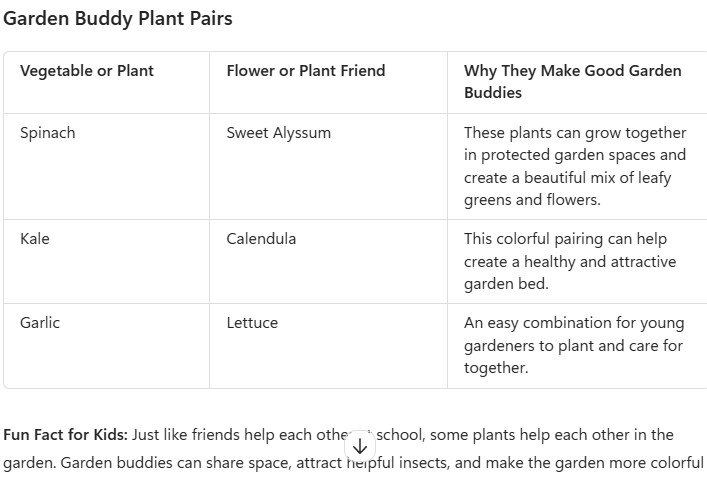
Table of plants that are garden buddies
Not all insects are pests. Many insects help flowers, fruits, and vegetables grow by pollinating plants or eating harmful garden pests.
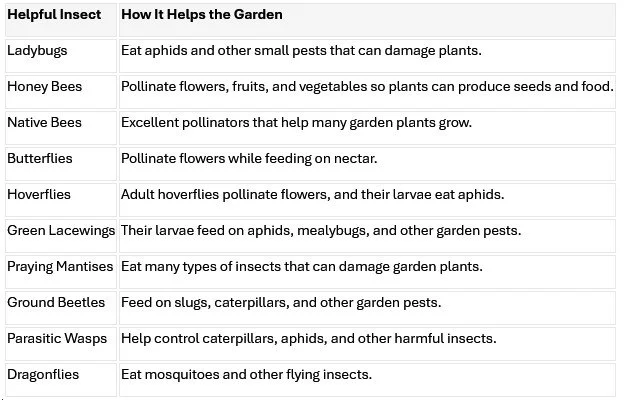
Table of beneficial insects

Bug Buddies
Fall gardens grow more slowly, but they provide wonderful opportunities for children to observe seasonal changes, watch for birds and beneficial insects, and learn how plants adapt to colder weather.
A winter garden teaches patience, responsibility, and an appreciation for nature throughout the year.
Parents can help children create a simple garden map showing which plants are "garden buddies." Kids will love learning how flowers and vegetables work together to build a healthier garden while growing tasty vegetables and bright autumn colors for the whole family to enjoy.
If planting in the ground is not an option, consider creating a container garden.
Kid's Gardening Tip
When you see a ladybug, butterfly, or bee in the garden, take a moment to watch what it is doing. You might discover one of nature's tiny garden helpers hard at work protecting your plants or helping flowers grow.
References for Parents