Grow a Fall Garden Kids Will Love: Companion Plants That Help GardensThrive

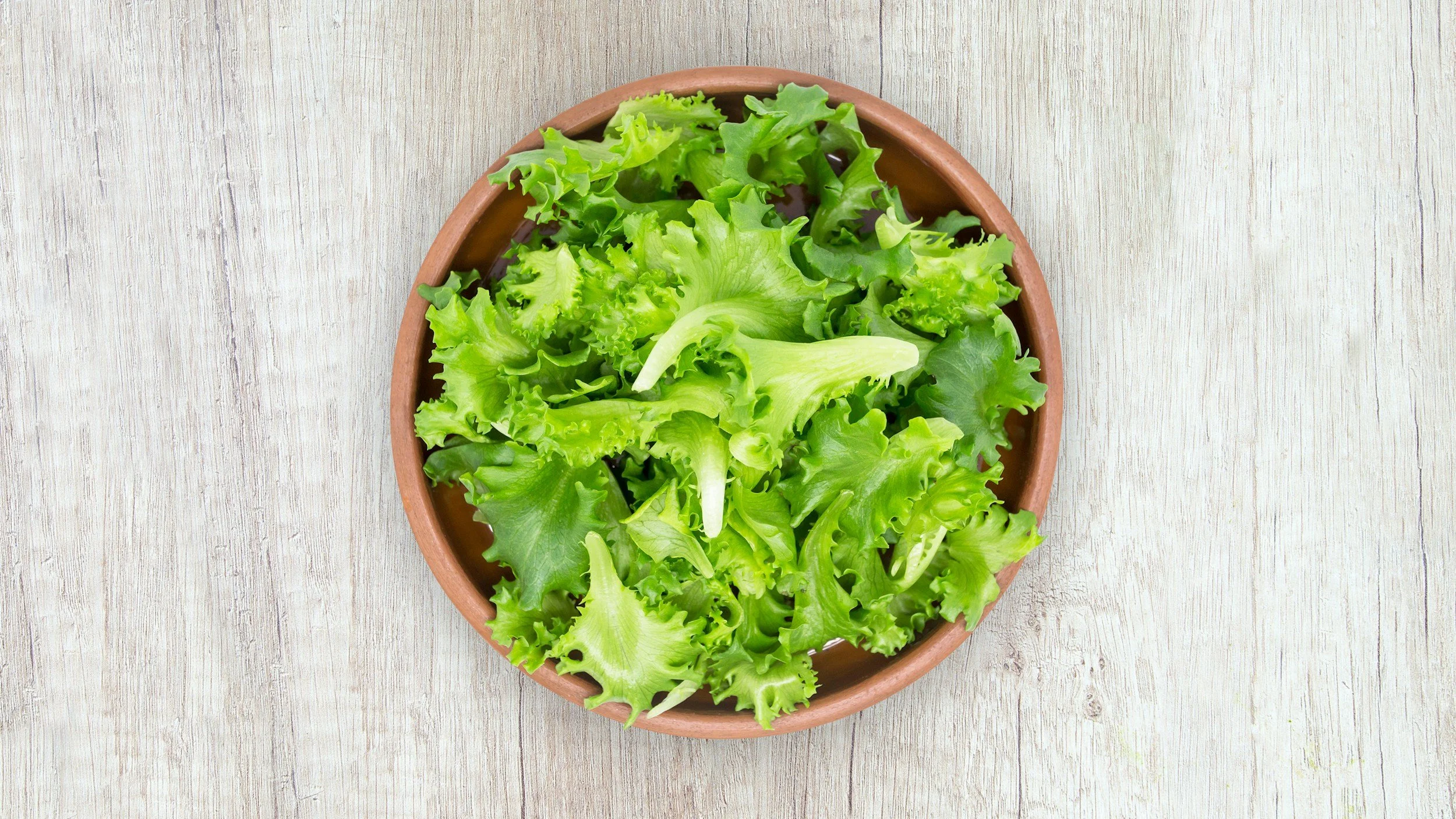
Bowl of lettuce (image from Unsplash and used with permission)

Love gardening? I have great news for you! Just because summer is almost over, it doesn’t mean gardening is over. If you love gardening as much as I do, it’s time to prepare for your fall garden. Three very important things to do before you begin:

  1. Find your growing zone

  2. Create your companion planting guide

  3. The number of days before the first frost

Before planting a garden, consider the zone where the garden will grow, the number of days to the first frost and the types of plants that will grow well in your zone and within the time before the first frost. Most plants do not tolerate frost.

We are planting our garden in USA zone 7.

Next we will look for plants that grow well in cool weather, as well as grow well together. In other words, we are looking for plant companions.

Companion planting means growing certain flowers, herbs, and vegetables close together because they help each other grow. These plants are called, “Garden Buddies”. It is like having good friends in your garden!

The third important step is to google the expected first day of frost. Count the number of days from today till the day of the first frost. This is the days your plants will have to grow. Select plants that will grow to maturity within this number of days .

Some cool weather plants that will thrive in zone 7 include:

1.      Lettuce

2.      Spinach
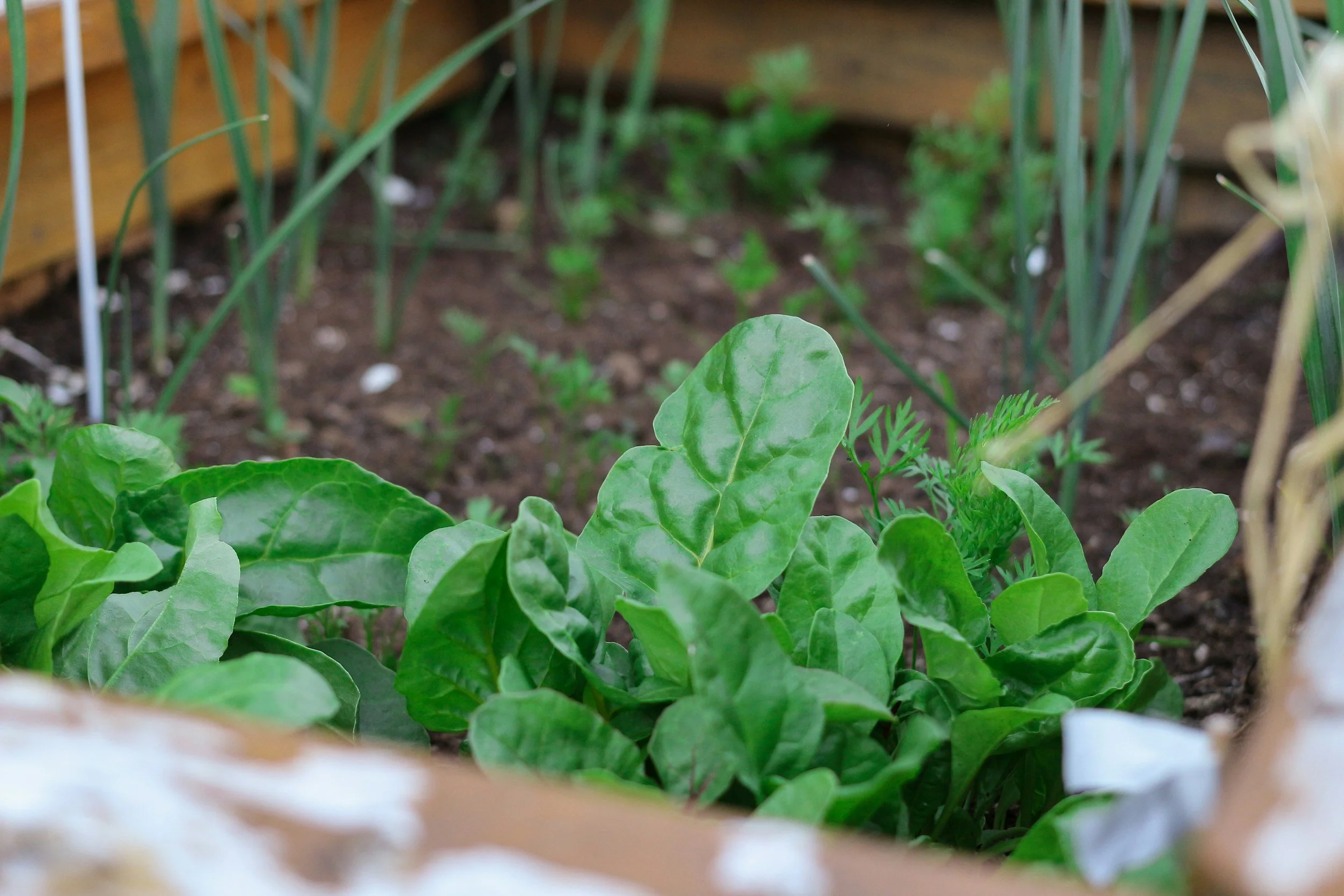
Spinach growing in front of raised bed. (Image from Unsplash and used with permission)

3.      Kale
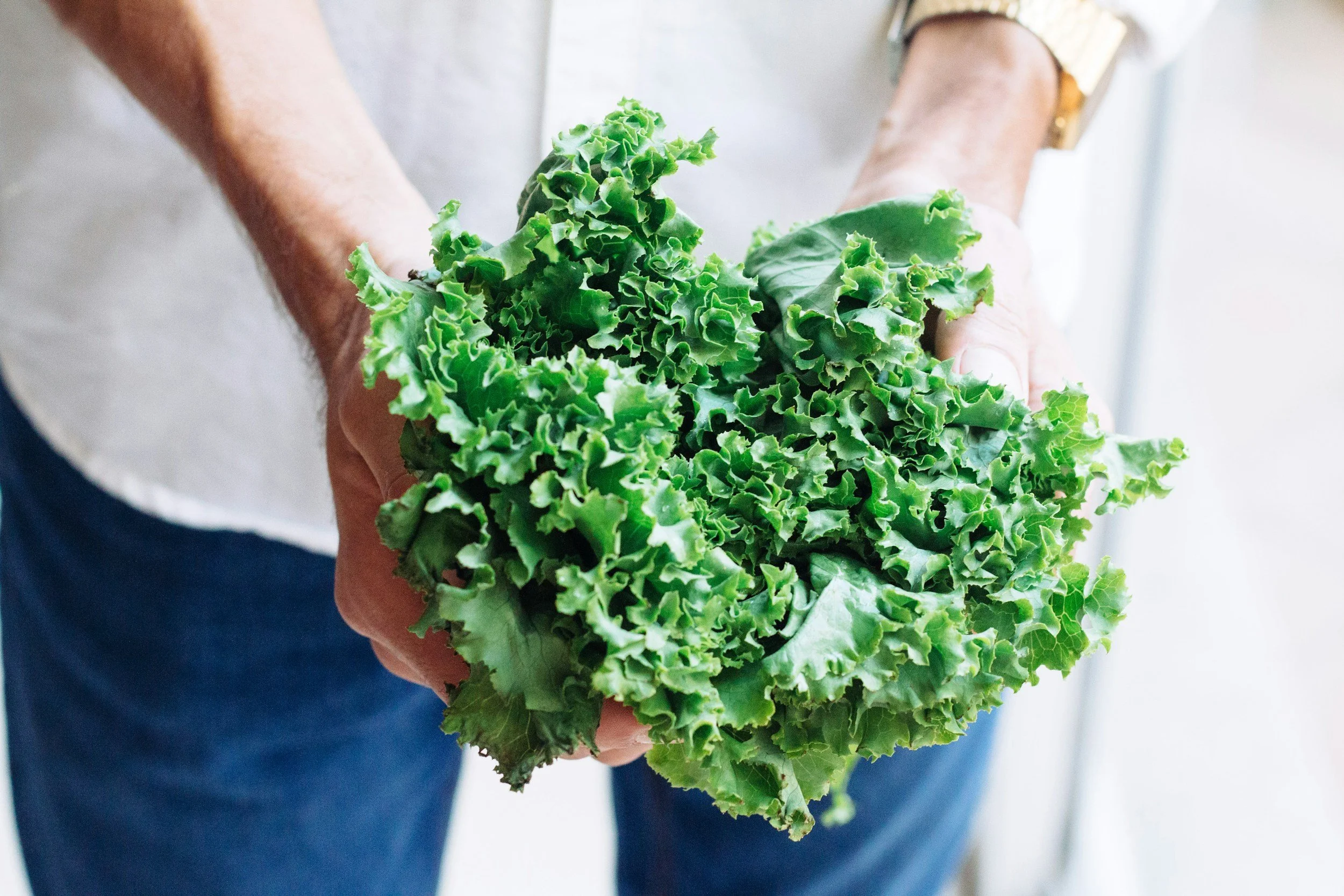
Person holding a Kale with both hands (Image from Unsplash and used with permission)

4.      Carrots
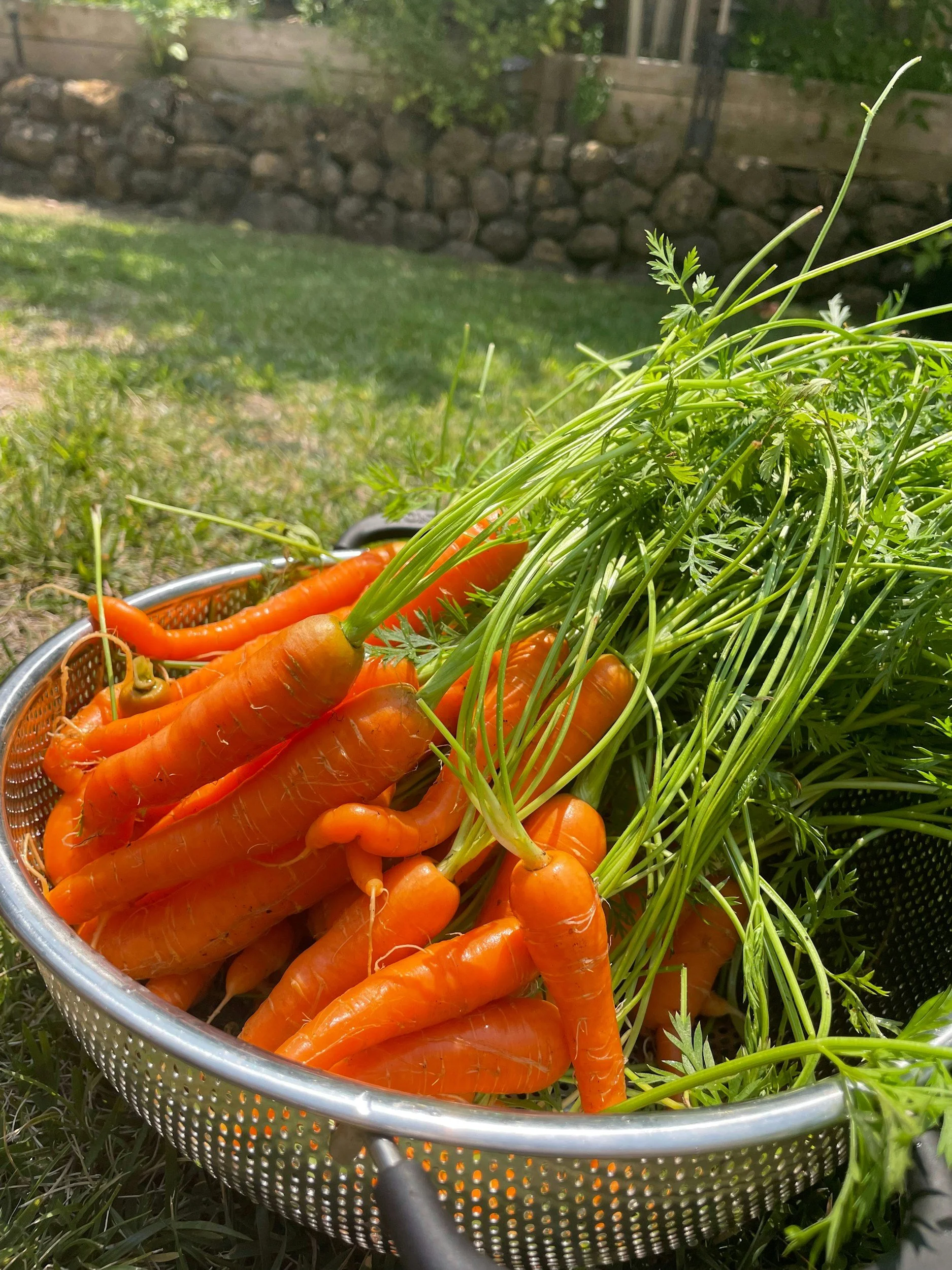
Orange carrots (Image from Unsplash and used with permission)

5.      Radishes

Red radish (Image from Unsplash and used with permission)

6.      Beets
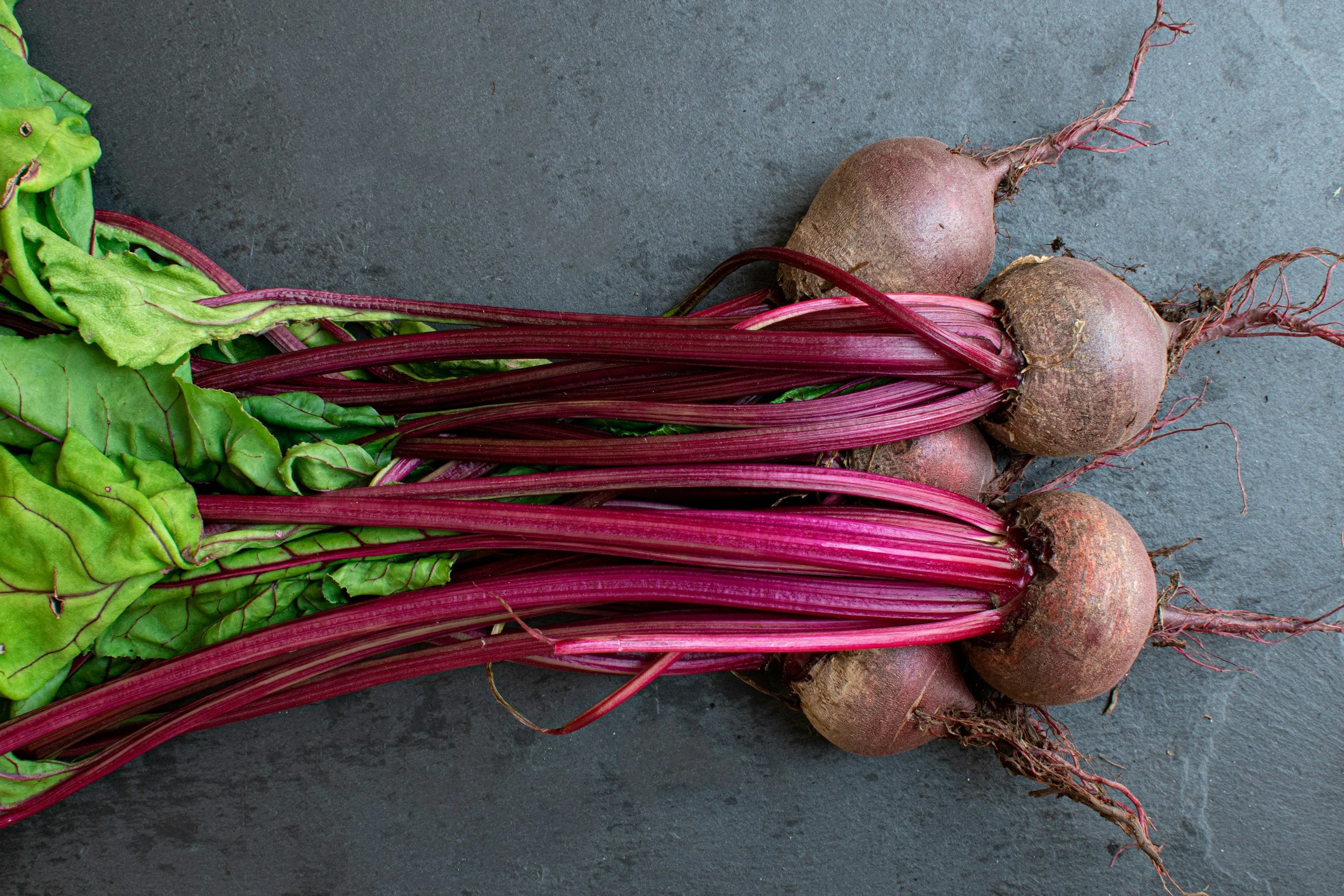
Beets (Image from Unsplash and used with permission)

Pair these vegetables with fall-blooming flowers like

calendula
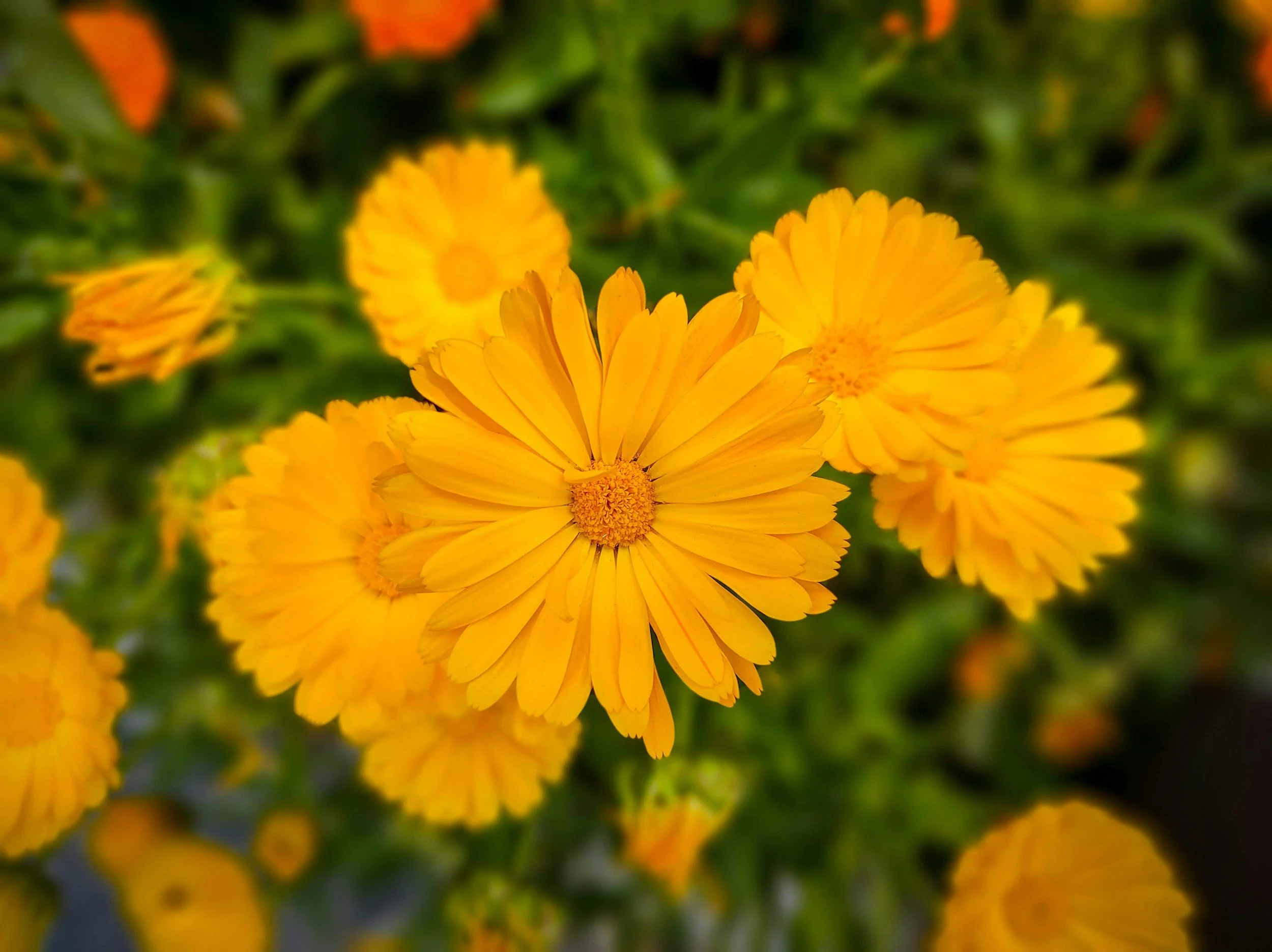
Calendula Officinalis (Image from unsplash and used with permission)

Sweet alyssum

Sweet Alysuum (Image from unsplash and used with permission)

Nasturtiums
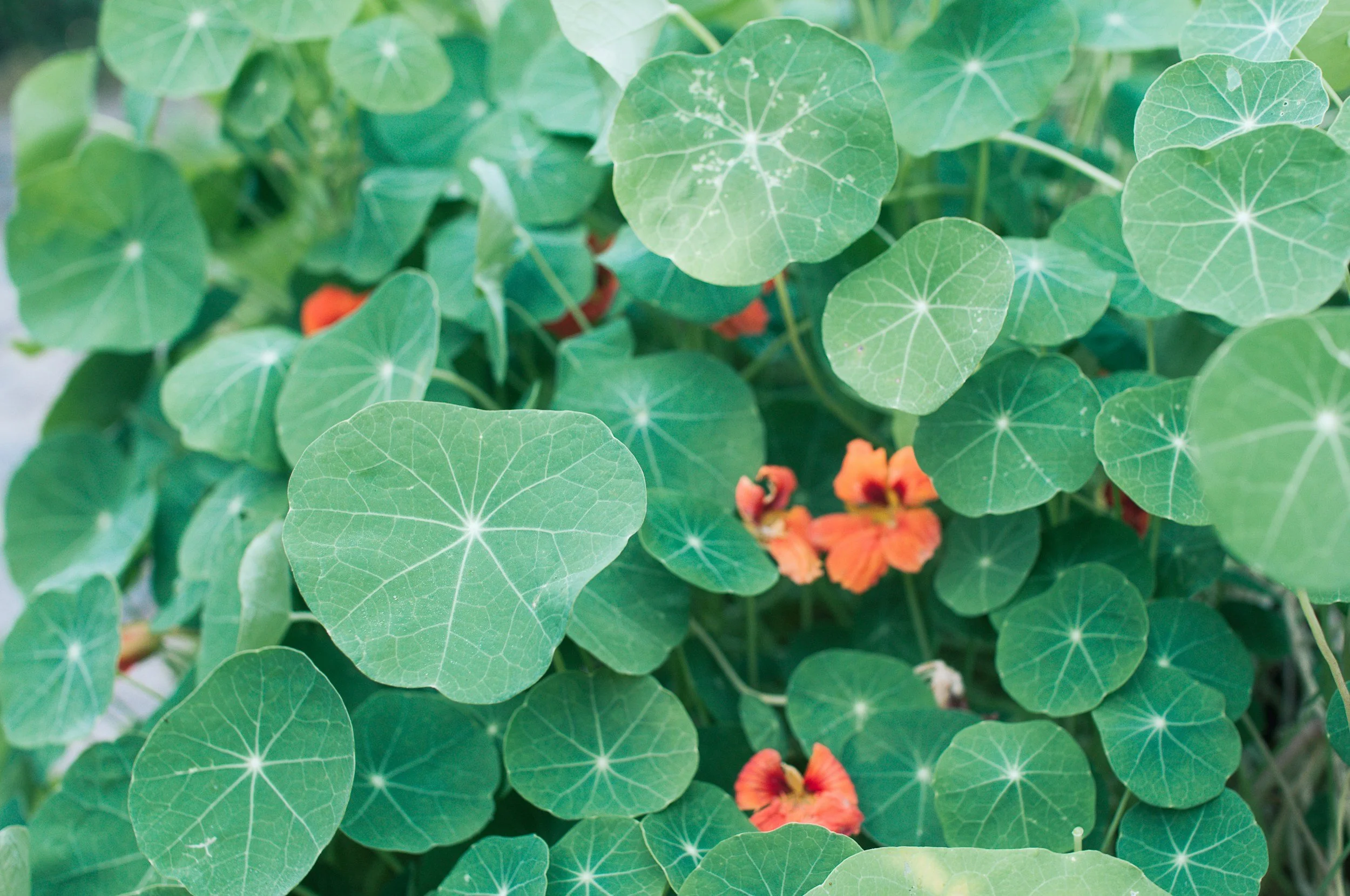
Nasturtiums (Image from unsplash and used with permission)

Flowers can attract helpful insects to your garden. Companion planting is often used to attract beneficial insects, help manage pests naturally, and support healthy plant growth. Learn more about companion planting and get a free chart of which plant make great friends click the link or go to the Virginia Cooperative Extension Office. [pubs.ext.vt.edu]

Some companion plants can also improve the soil. For example, peas and other legumes work with natural soil bacteria to add nitrogen to the ground. Nitrogen is an important nutrient that helps plants grow strong green leaves. Different plants also have different root systems, which can help improve soil structure and make better use of water and nutrients. [extension.wvu.edu]

And finally, we want to attract good insects to our garden and discourage pest that will destroy our plants or bring harmful bacteria.

You don’t have to live in Virginia or a southern state to have a winter garden. For example, if you live in Indiana, you might live in USDA Zone 6A.  Gardening fun can still continue into the winter months. Hardy vegetables such as kale, spinach, lettuce, carrots, beets, Swiss chard, turnips, and garlic can tolerate cold temperatures and may continue growing with some winter protection, for example a grow cloth or garden cover.

Cold-tolerant flowers such as pansies, violas, calendula, and sweet alyssum can also add color to the garden during cooler weather. Companion planting still works in winter gardens.

Spinach and sweet alyssum can grow together in protected garden spaces.

Kale and calendula make a colorful and beneficial partnership.

Garlic and lettuce are another easy combination to try.
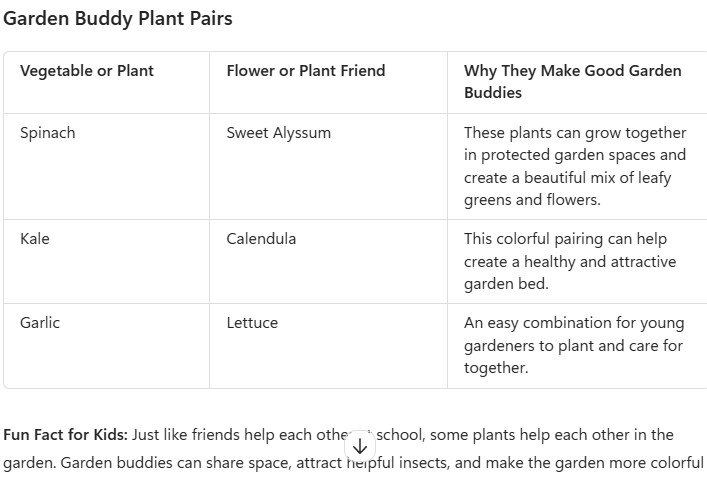
Table of plants that are garden buddies

Not all insects are pests. Many insects help flowers, fruits, and vegetables grow by pollinating plants or eating harmful garden pests.
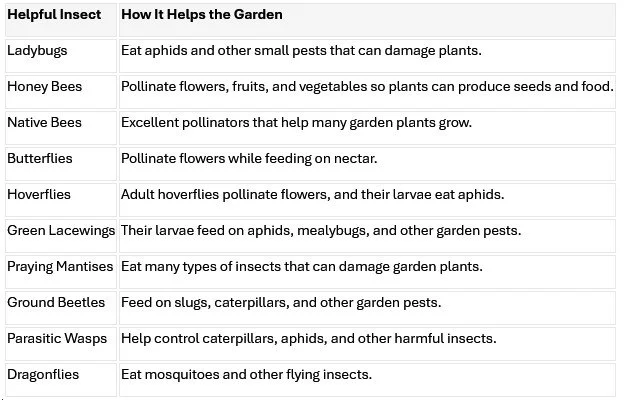
Table of beneficial insects

Bug Buddies

Fall gardens grow more slowly, but they provide wonderful opportunities for children to observe seasonal changes, watch for birds and beneficial insects, and learn how plants adapt to colder weather.

A winter garden teaches patience, responsibility, and an appreciation for nature throughout the year.

Parents can help children create a simple garden map showing which plants are "garden buddies." Kids will love learning how flowers and vegetables work together to build a healthier garden while growing tasty vegetables and bright autumn colors for the whole family to enjoy.

If planting in the ground is not an option, consider creating a container garden.

Kid's Gardening Tip

When you see a ladybug, butterfly, or bee in the garden, take a moment to watch what it is doing. You might discover one of nature's tiny garden helpers hard at work protecting your plants or helping flowers grow.

References for Parents
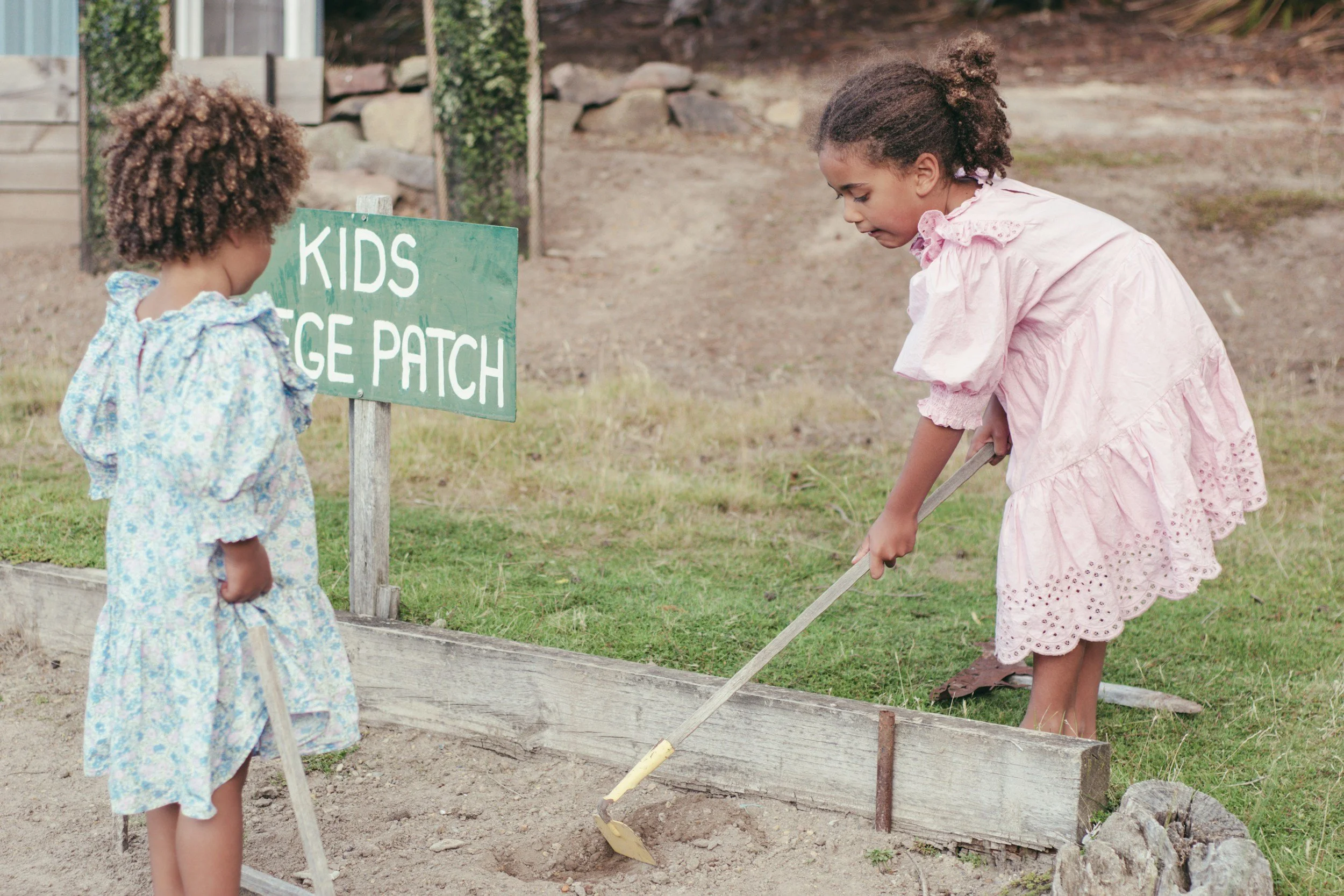
Small‑Space Gardening for Families: How Growing Plants Helps Children Thrive Academically and Emotionally

children gardening Source unsplashed

You don’t need a big backyard to grow something beautiful. A balcony, patio, sunny window, or tiny patch of soil can become a thriving garden that feeds your family in more ways than one. Small‑space gardening proves that with a few containers and a little creativity, any family can enjoy the joy, learning, and connection that comes from growing food together.

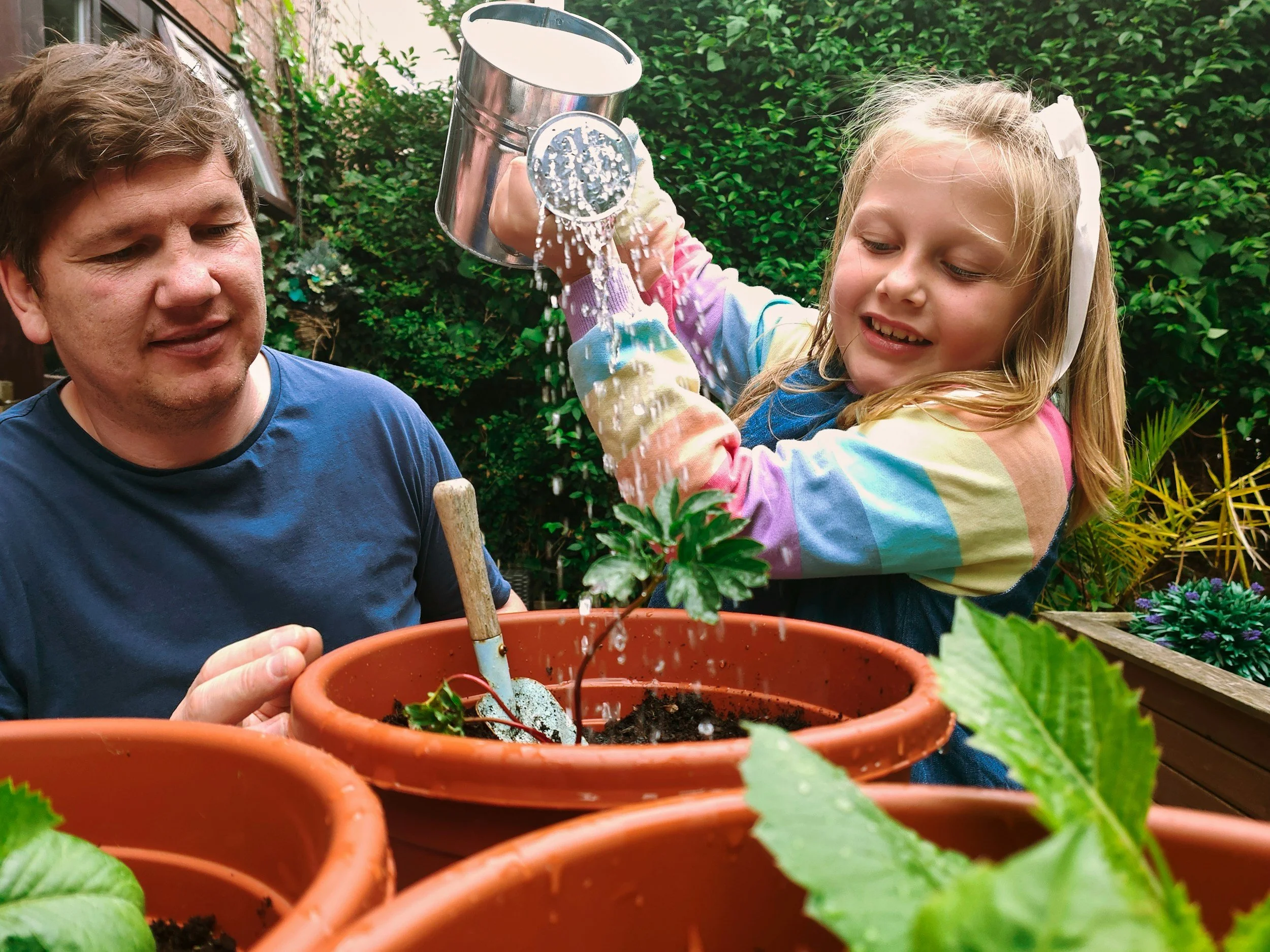
Father and daughter gardening. Source unsplash

But the benefits go far beyond fresh herbs or cherry tomatoes. Gardening has a remarkable way of bringing families closer. When parents and children plant, water, and harvest side by side, they’re not just tending plants—they’re building memories, teamwork, and a shared sense of accomplishment.

And for children, the long‑term impact is powerful. Studies consistently show that kids who garden develop stronger problem‑solving skills, better focus, and higher confidence. They’re more likely to eat fruits and vegetables, perform better academically, and show greater responsibility and patience. Gardening also supports emotional well‑being—kids who spend time nurturing plants tend to have lower stress levels and healthier coping skills.

Compared to children who don’t garden, young growers often show improved attention, stronger science and math skills, and a reduced likelihood of engaging in risky behaviors, including substance use. The hands‑on learning, connection to nature, and sense of purpose create a protective foundation that supports healthier choices throughout adolescence.

children in classroom focused on learning. Source Unsplashed

Small‑space gardening isn’t just about growing plants—it’s about growing resilient, curious, grounded kids. And it all starts with one pot, one seed, and one shared moment outside.

How to Get Started with Small‑Space Gardening (Even If You’re a Total Beginner)

Starting a small‑space garden is easier than most parents think. You don’t need fancy tools, a big yard, or hours of free time — just a little sunlight, a few containers, and the willingness to experiment alongside your kids. Here’s a simple, family‑friendly way to begin:

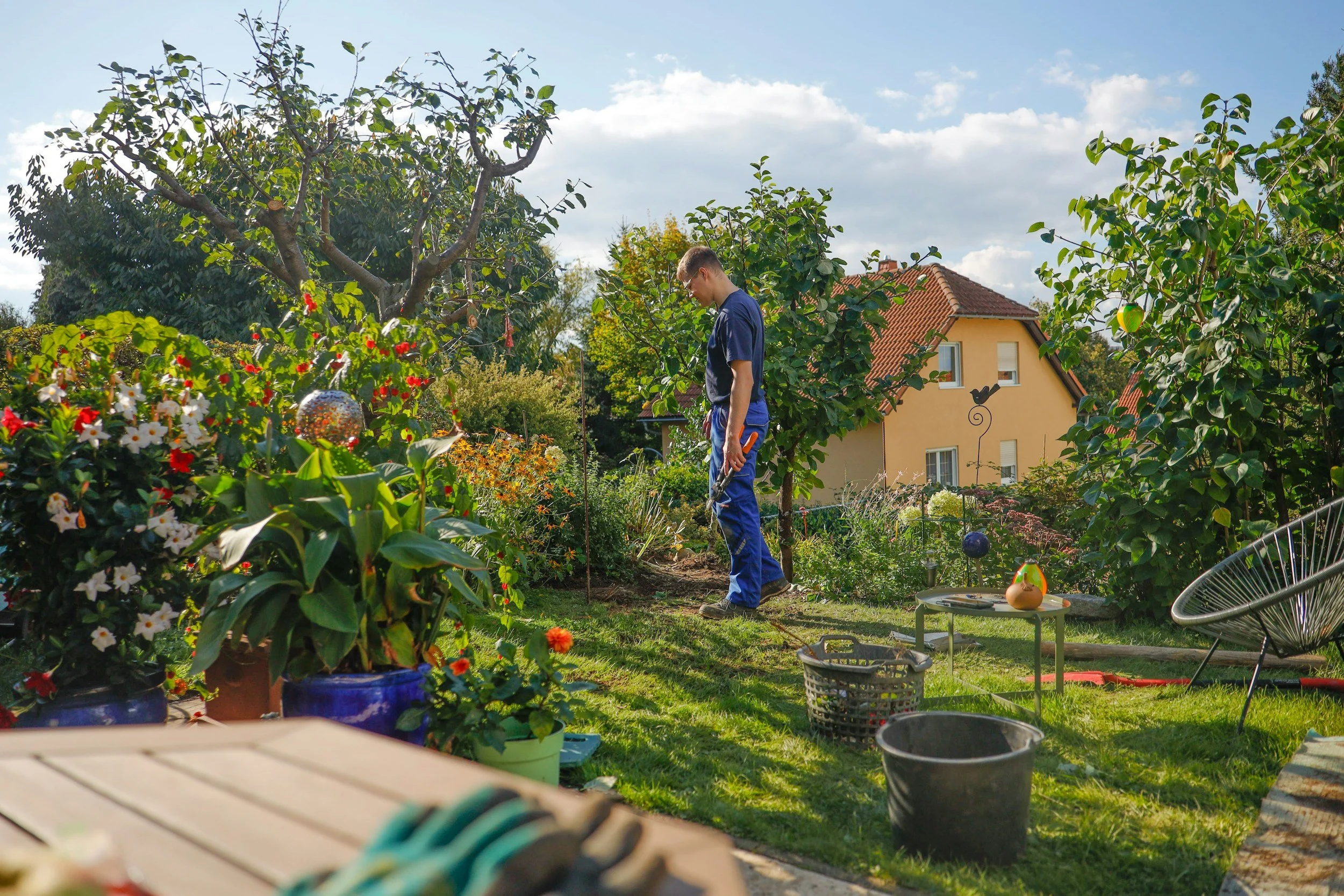
Backyard gardening. Source Unsplash

1. Choose Your Space

Look for the sunniest spot you have — a balcony, porch, windowsill, or even a bright corner of the kitchen. Most herbs and vegetables need 4–6 hours of sunlight, but many leafy greens grow well with less.

2. Start with Easy, Kid‑Friendly Plants

Pick plants that grow quickly and reward kids with fast results. Great beginner choices include:

  • Lettuce

  • Spinach

  • Cherry tomatoes

  • Basil

  • Mint

  • Green beans

These plants are forgiving, fun to harvest, and perfect for small containers.

3. Use Containers You Already Have

You don’t need special pots. Buckets, recycled jars, storage bins, and old planters all work as long as they have drainage holes. Let kids decorate the containers to make the garden feel personal and exciting.

4. Choose Good Soil

Use a quality potting mix, not outdoor dirt. Potting mix helps plants grow stronger in containers and reduces mess — a win for parents.

5. Water Together

Make watering a shared daily ritual. Kids love having a job that matters, and plants love consistent moisture. This simple routine teaches responsibility and creates a calming moment in the day.

6. Celebrate Every Little Win

The first sprout, the first leaf, the first harvest — these moments build confidence and joy. Take pictures, make a “garden journal,” or cook a meal using your homegrown ingredients.

7. Keep It Fun, Not Perfect

Gardening is about learning, not perfection. Some plants will thrive, others won’t — and that’s okay. The real magic is the time spent together, the curiosity it sparks, and the sense of accomplishment kids feel when they grow something with their own hands.

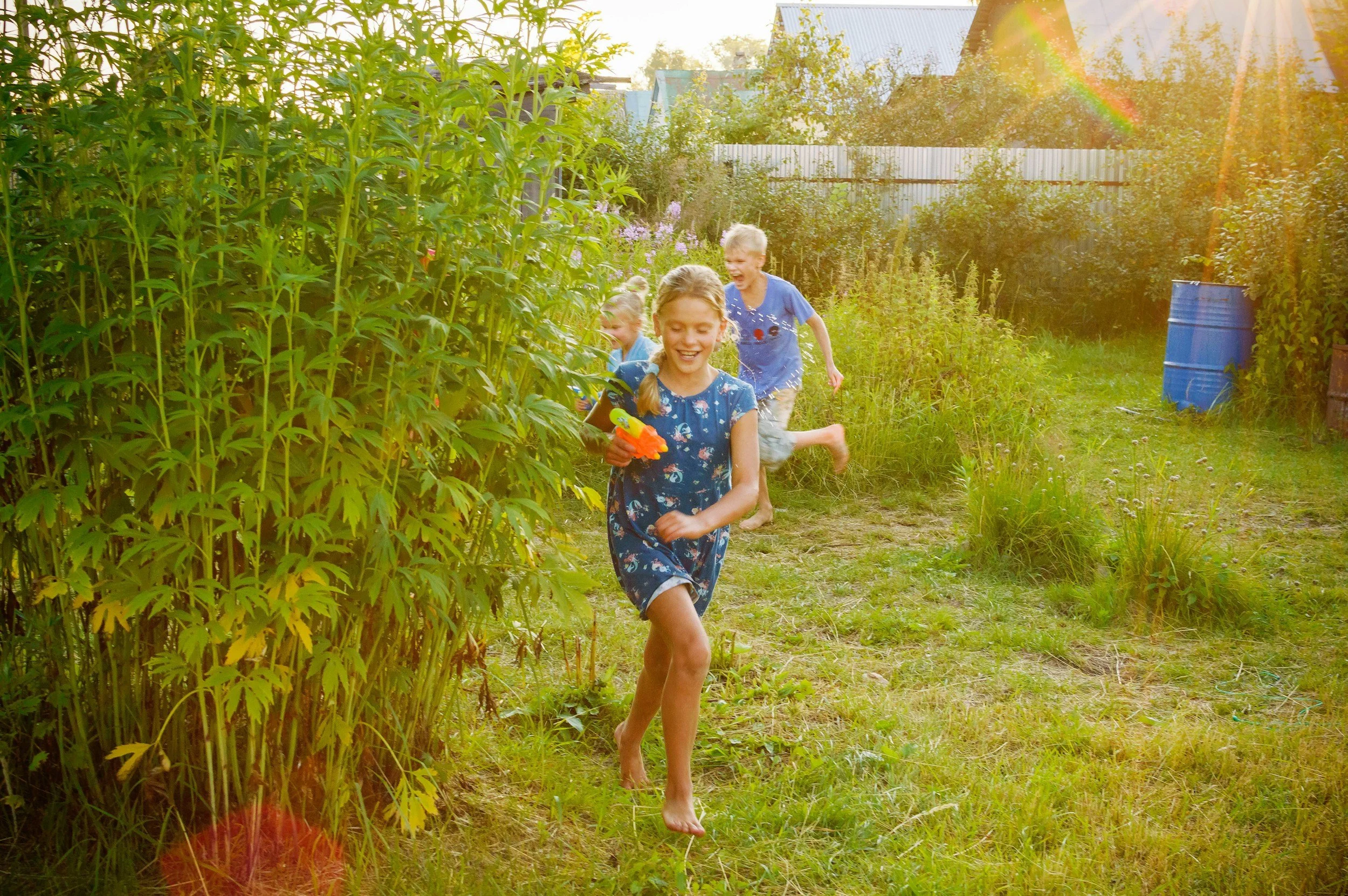
children running in garden. Source Unsplash


References:

1. American Horticultural Society – Youth Gardening Resources
How gardening supports learning, responsibility, and emotional development in children.
https://ahsgardening.org/gardening-resources/youth-gardening/ (ahsgardening.org in Bing)

2. Cornell Garden-Based Learning Program
Research and practical tools showing how gardening improves academic performance, science understanding, and healthy eating habits.
https://gardening.cals.cornell.edu/ (gardening.cals.cornell.edu in Bing)

3. University of California Agriculture & Natural Resources – Garden-Based Learning Studies
Evidence on long‑term benefits of gardening for children’s nutrition, behavior, and environmental awareness.
https://ucanr.edu/sites/gardenbasedlearning/ (ucanr.edu in Bing)

4. Centers for Disease Control and Prevention (CDC) – Benefits of Physical Activity for Children
Explains how outdoor activities like gardening reduce stress, improve mood, and support healthy development.
https://www.cdc.gov/physical-activity-basics/children/ (cdc.gov in Bing)

5. National Institute on Drug Abuse (NIDA) – Protective Factors for Youth
Shows how structured, meaningful activities (like gardening) reduce risk‑taking behaviors and support resilience.
https://nida.nih.gov/publications/drugfacts/risk-protective-factors (nida.nih.gov in Bing)

6. American Psychological Association – Nature and Mental Health
Summaries of research showing how time in nature improves focus, reduces anxiety, and strengthens emotional regulation.
https://www.apa.org/monitor/2020/04/nurtured-nature (apa.org in Bing)

7. KidsGardening.org – Family Gardening Guides
Practical, kid‑friendly gardening tips for families working with small spaces.
https://kidsgardening.org/

8. The Childproof the World Foundation – Small Space Container Gardening
A helpful resource for families looking to start simple, safe, child‑friendly gardens.
https://www.thechildprooftheworldfoundation.org